
Downtown Puerto Vallarta is the part of the city that actually feels like Puerto Vallarta. North of the Cuale River, the hotel zone could be any beach resort anywhere; cross the river and you get cobblestone streets, tiendas on every corner, and the Malecón running along the water.
The area packs a lot into a few walkable blocks: cultural experiences, beach activities, and more history than most visitors expect from a beach town.
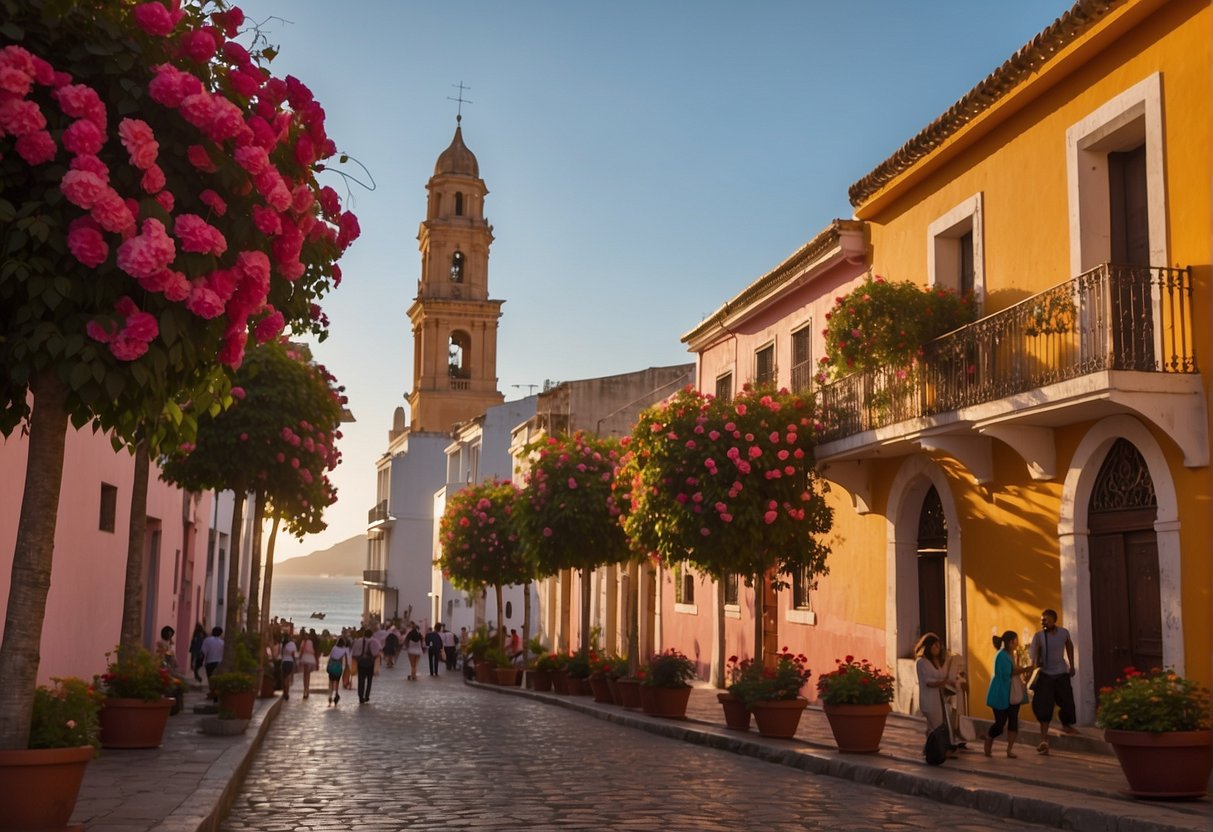
Most of what makes downtown worth visiting comes down to its history. This is where Puerto Vallarta grew from a small fishing and shipping port into the city it is today, and a surprising amount of that older character survives.
The Church of Our Lady of Guadalupe dominates the skyline from the plaza, with the iron crown that tops its bell tower visible from most of the neighborhood.
The Malecón, the waterfront promenade that runs along the coast, is the city’s living room, lined with bronze sculptures, street performers at sunset, and ocean views that never get old.
Historical Landmarks and Cultural Experiences
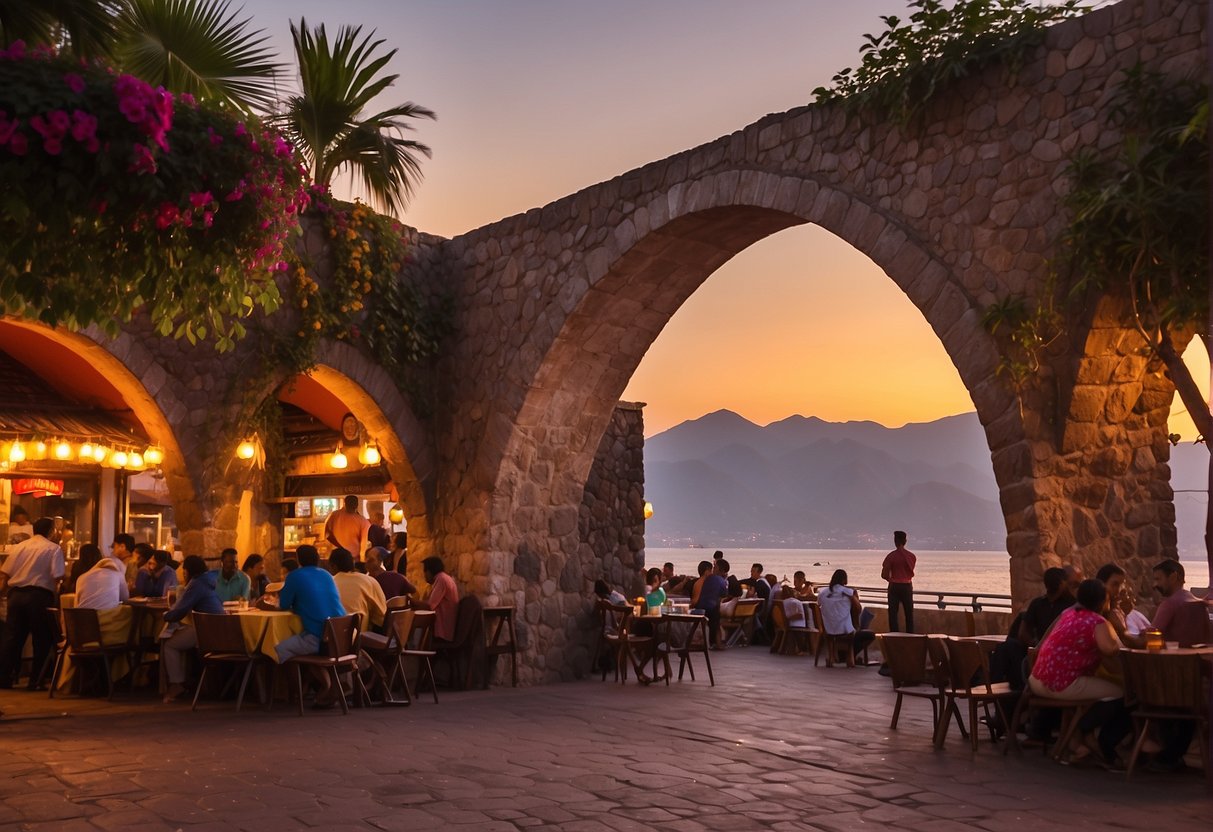
Puerto Vallarta is a city with a real past, and downtown Puerto Vallarta is where you can feel it. The old town and the Malecón hold most of the landmarks, and both are easy to cover on foot.
Walk Old Town and the Malecón
Old Town, or the Zona Romántica as the south side is called, is a grid of narrow streets lined with colorful buildings, small hotels, and shops that spill onto the sidewalks.
Spend an afternoon just wandering. The architecture mixes old fishing-town houses with newer galleries and cafes, and the street vendors along the river sell everything from fresh fruit to hand-rolled cigars.
The Malecón deserves its own walk, ideally at golden hour. The boardwalk runs roughly a kilometer along the seawall and is famous for its sculptures, a collection of bronze and steel pieces that local artists added over the decades.
Start at the north end by the lighthouse and walk south. The view opens over Banderas Bay, and as the sun drops, the whole promenade fills with people.
Visit the Church of Our Lady of Guadalupe
The church on the plaza at the top of the Malecón is the landmark everyone photographs, recognizable by the crown that caps its tower instead of a traditional spire.
It’s a working parish church, so expect mass to be in session, especially on Sundays. Visitors are welcome inside, but it’s worth stepping in quietly and looking up at the simple painted ceiling rather than treating it like a museum.
For the story behind the building, the guided tours that leave from the nearby tourist booths cover the church’s history, from its 20th-century construction to the crown that was added in the 1960s.
Browse the Art Galleries and Craft Stalls
Puerto Vallarta’s art scene is bigger than a town this size has any right to have, and downtown is its center. Galleries line the streets near the Malecón, showing everything from Huichol beadwork to contemporary painting.
You don’t need a gallery budget to take something home. The vendors along the Malecón and around the Cuale bridge sell prints, woven bags, and silver jewelry, and haggling is expected at the market stalls in a way it isn’t in the shops.
Outdoor Adventures and Beach Activities in Downtown Puerto Vallarta
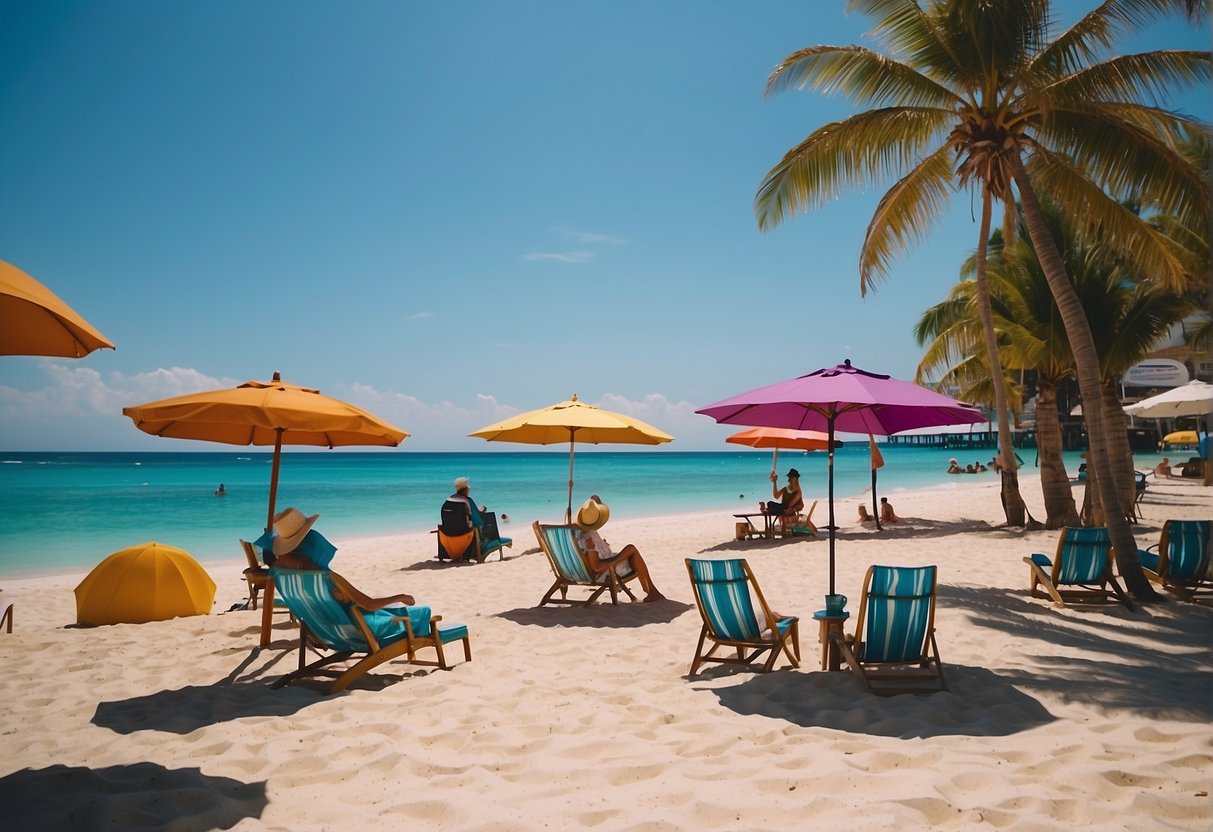
The Sierra Madre comes right down to the sea here, which is what gives the bay its backdrop of jungle-covered hills and its water its protected, calm feel.
Everything outdoors in Puerto Vallarta starts from the same stretch of coastline: the beaches in town, the coves south of the bay, and the mountains behind them. Here’s how to use them.
Snorkel and Dive in Banderas Bay
Banderas Bay is one of the largest bays in the world, and its protected waters hold a surprising amount of marine life.
The most popular snorkeling and diving spots are the rock arches of Los Arcos, just offshore, the quiet cove at Majahuitas farther south, and the Islas Marietas, a protected national park that you can only visit with a licensed operator.
On a good day you’ll share the water with schools of tropical fish, rays, and the occasional sea turtle. Visibility is best in the dry season, roughly November through May.
Pick Your Beach: Lively or Secluded
Downtown’s own beach, Playa de los Muertos, is the social center of the Zona Romántica, with palapa restaurants, umbrellas for rent, and volleyball nets. The name translates to “Beach of the Dead,” which sounds worse than it is; the name dates back generations, and today it’s the liveliest stretch of sand in town.
For a quieter version of the same coast, the coves south of town are the answer. Yelapa and Quimixto have no road access, only water taxis that leave from the pier by the river, and both feel like a different century once you arrive. San Sebastian del Oeste is a different kind of escape entirely, a mountain town inland where the cobblestone streets and coffee farms sit a two-hour drive away from the beach crowds.
Head Into the Jungle on a Day Trip
The hills behind Puerto Vallarta are laced with canopy tours, and flying between platforms over the treetops gives you the best view of how the jungle meets the bay.
A slower-paced option is the Vallarta Botanical Gardens, about half an hour south of town along the river, where the orchid collection and the swimming holes under the canopy make for a full afternoon.
If you have a full day to spare, the surfing town of Sayulita, about 45 minutes north on the coast, is worth the trip for its beach breaks and its seafood shacks.
Culinary Delights and Nightlife of Downtown Puerto Vallarta
Food and nightlife are where downtown Puerto Vallarta shines, and the two overlap more than they do in the resort zone. For the best of both, start eating early and let the evening carry you along the lively nightlife that fills the streets after dark.
Take a Food Tour Through the Old Town Kitchens
The fastest way to learn a neighborhood’s food is to walk it with someone who knows it. Vallarta Food Tours runs a roughly three-hour walk that stops at eight places where locals actually eat, from a family taqueria to a candy shop, with authentic Mexican cuisine and the stories behind it along the way.
Even without a tour, the eating rule in downtown is simple: follow the lunch crowd. The mariscos places on the south side, the taco stands that set up at dusk, and the bakeries that sell out by noon will tell you everything you need to know.
Follow the Nightlife From the Malecón South
Downtown’s nightlife runs from casual beach bars to dance clubs, often within a block of each other.
Mandala, right on the Malecón, is the club that draws the big crowds, with music that runs late and a rooftop that fills up fast.
For a slower night, El Colibrí, a small cocktail bar on the south side, pours serious mezcal and tequila drinks in a room that feels more like a friend’s apartment than a bar.
The range is part of the appeal: you can eat tacos standing up at 6 p.m. and end the night dancing by the water, all within a ten-minute walk of the church plaza.
Shopping and Souvenirs of Downtown Puerto Vallarta
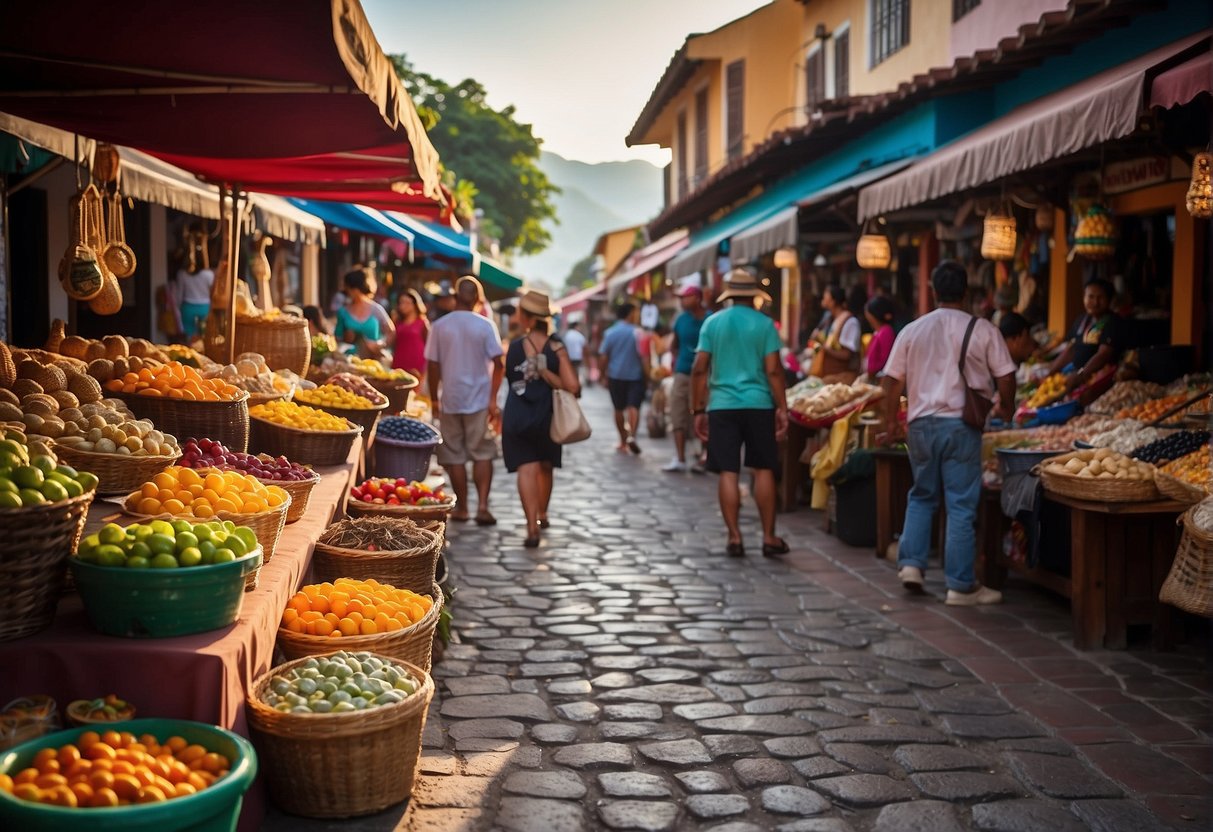
Downtown is a great place to shop because the vendors here make and import most of what they sell, which keeps the selection different from the airport gift shops.
Wander the Cuale Island Market
The flea market on Isla Cuale, the island in the middle of the river, is the classic downtown shopping stop. Stalls crowd the paths with handmade jewelry, embroidered clothing, hammocks, and the painted skulls and alebrijes that show up in every Mexican market.
The vendors set up daily, and it’s the kind of place where browsing is the activity, so give it an hour and don’t feel pressured to buy at the first stall you like.
Bring Home Something From a Local Workshop
Beyond the market, downtown’s shops carry work from the surrounding region: Talavera pottery from the state of Jalisco’s workshops, silver from the highlands, and woven textiles from the mountain towns.
The Malecón galleries are the place for original art, with prices from affordable prints to investment-level canvases, and the ocean view makes the shopping feel less like an errand. Whatever you choose, buy from the person who made it or a shop that names its artisans; the quality is better and the money goes where it should.
If you’re heading to Puerto Vallarta soon, downtown is where to spend most of your time. The history, the food, the beaches, and the shopping are all within walking distance of each other, and that’s a rare combination in any beach town.