
Guadalajara’s centro histórico is where the city’s history is written on the walls. This is Mexico’s second-largest city, but its center is compact and walkable, a grid of plazas and stone buildings that have stood through centuries of change. Colonial churches sit beside modern shops, and the squares that once hosted colonial markets now fill with mariachi bands and street food every evening.
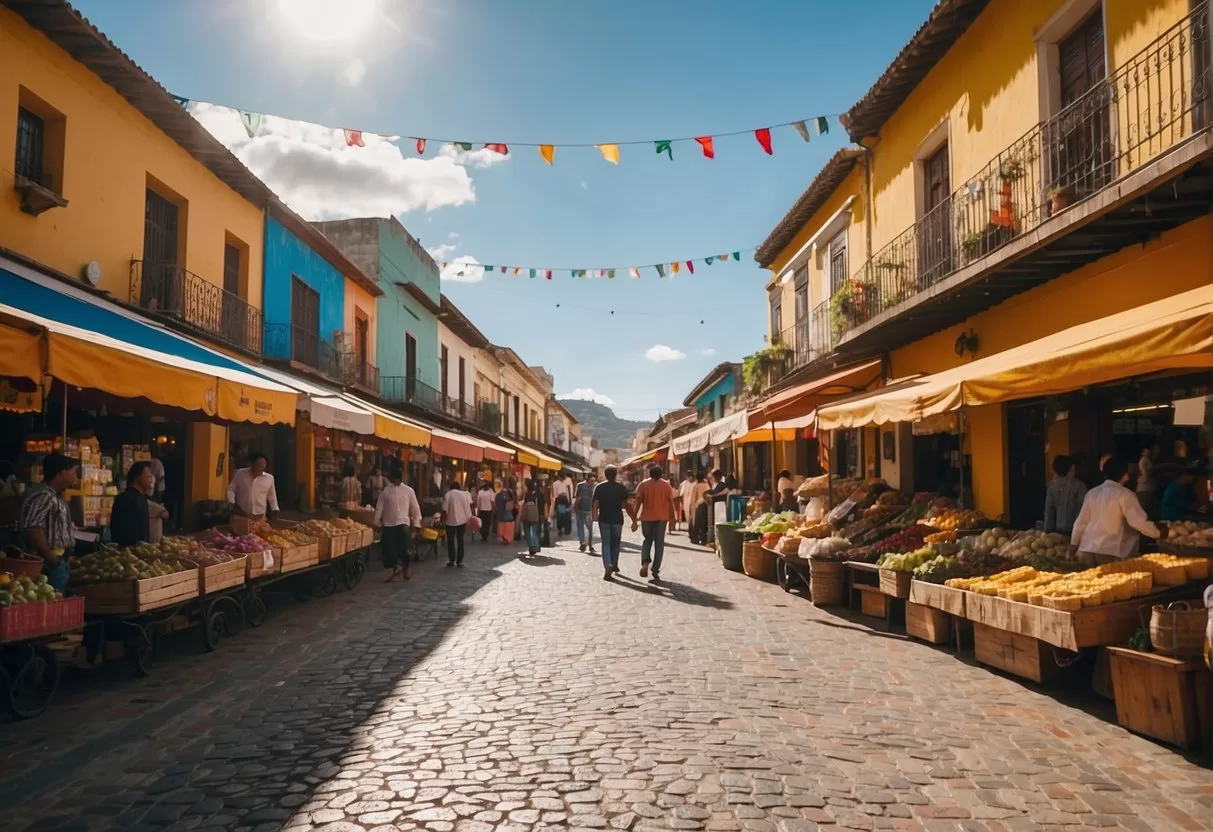
I keep going back to Guadalajara centro, and the pull is always the same. One corner gives you the Guadalajara Cathedral, the next drops you into colorful markets where vendors sell everything from huarache sandals to hand-painted ceramics, and a few blocks further the smell of birria pulls you toward lunch. When the sun goes down the plazas fill with music, and the center shows its festive side.
Historic Landmarks in Guadalajara Centro
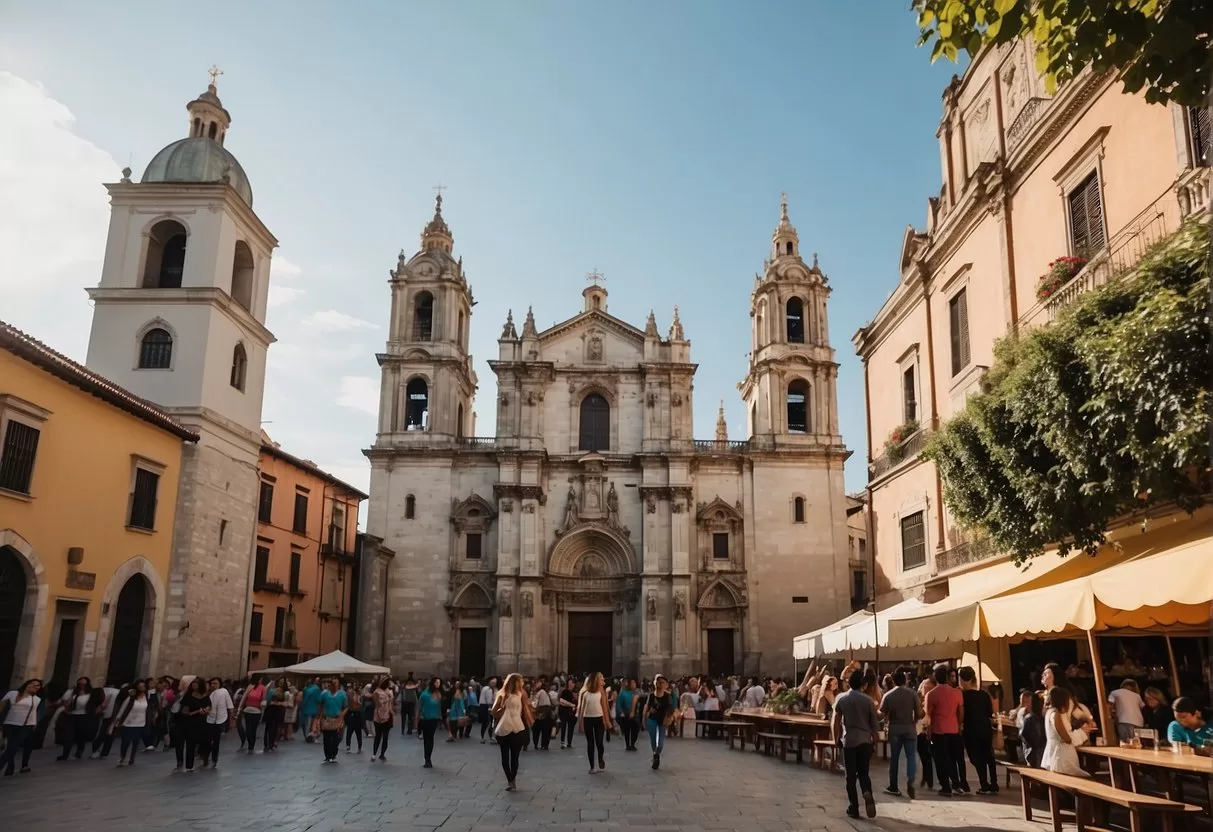
Guadalajara’s historic center holds one landmark after another, and most of them are within a few minutes’ walk of the cathedral plaza. These buildings aren’t museum pieces cordoned off from the city; they’re working churches, theaters, and government halls that have been in use for a century or more.
Catedral de Guadalajara
The Guadalajara Cathedral anchors the center with its twin yellow-tiled bell towers, which have become the city’s most recognizable silhouette. The building took roughly fifty years to complete in the 16th and 17th centuries, which explains the mix of styles across its facade, and its history is tangled up with the Spanish influence that shaped all of Jalisco.
Teatro Degollado
A short walk from the cathedral, Teatro Degollado faces its own plaza, a neoclassical opera house that opened in 1866. The inside is the reason to go: red velvet, gilded balconies, and the ceiling fresco inspired by Dante’s Divine Comedy, painted in the early 1900s. It still hosts ballet, opera, and the cultural events that keep its calendar full.
Rotonda de los Jaliscienses Ilustres
Just off the cathedral plaza stands the Rotonda de los Jaliscienses Ilustres, a ring of white columns built to honor the state’s most accomplished sons and daughters. The remains of several honorees rest here, including musicians, governors, and writers, and the monument doubles as a quiet place to sit between visits to the surrounding landmarks.
Each of these landmarks tells a different part of Guadalajara’s story, and together they make the center feel like an open-air history book.
Cultural Experiences in Guadalajara Centro
Guadalajara’s cultural heritage shows up in its museums, two of which belong on any first visit: the Museo Regional de Guadalajara and the Instituto Cultural Cabañas. Both are within walking distance of the cathedral, and both reward a slow couple of hours.
Museo Regional de Guadalajara
The Museo Regional de Guadalajara occupies a former seminary built in the 1700s, and the building is half the experience, with its arches and inner courtyards. Inside, the collections run from the region’s prehistoric finds through the colonial era to modern Jalisco, which makes it a good primer on the state’s archaeology, anthropology, and history before you set out for the ruins and towns beyond the city.
Instituto Cultural Cabañas
The Instituto Cultural Cabañas is the city’s most dramatic museum, housed in a vast neoclassical complex that is itself a UNESCO World Heritage Site. The reason to come is José Clemente Orozco’s murals, painted in the 1930s across the chapel dome and walls, especially the fire-wreathed figure of “Man on Fire” in the dome. The institute also runs rotating contemporary exhibitions, so there’s usually something new beyond the permanent collection.
Between the two museums you get a full picture of Jalisco: what the land held before the Spanish arrived, how the colonial city grew, and how its artists answered the 20th century.
Guadalajara Centro: A Tour Enthusiast’s Dream
The center’s history is layered deep enough that a guide adds real value. Walking tours here are cheap, and two of them stand out from my own visits: they showed me the murals I would have walked past and the stories behind buildings I’d only photographed.
History and Muralism Walking Tour
The History and Muralism Walking Tour follows Guadalajara’s mural movement through the streets where it happened. Between the government palace and the Cabañas institute, our guide pointed out the Orozco and other works painted directly onto public walls, and explained what each one was saying about Mexican history. It gave me a way of seeing the center that I still use on my own walks.
Guided Walking Tour Guadalajara
For the overall lay of the land, the Guided Walking Tour Guadalajara runs on tips rather than a fixed price, and it’s a smart first afternoon in the city. Our guide moved between the big plazas and the smaller corners where locals eat and shop, telling stories that don’t make it into the guidebooks, from the market’s history to which cantinas the artists actually drank in.
Shopping and Markets in Guadalajara Centro
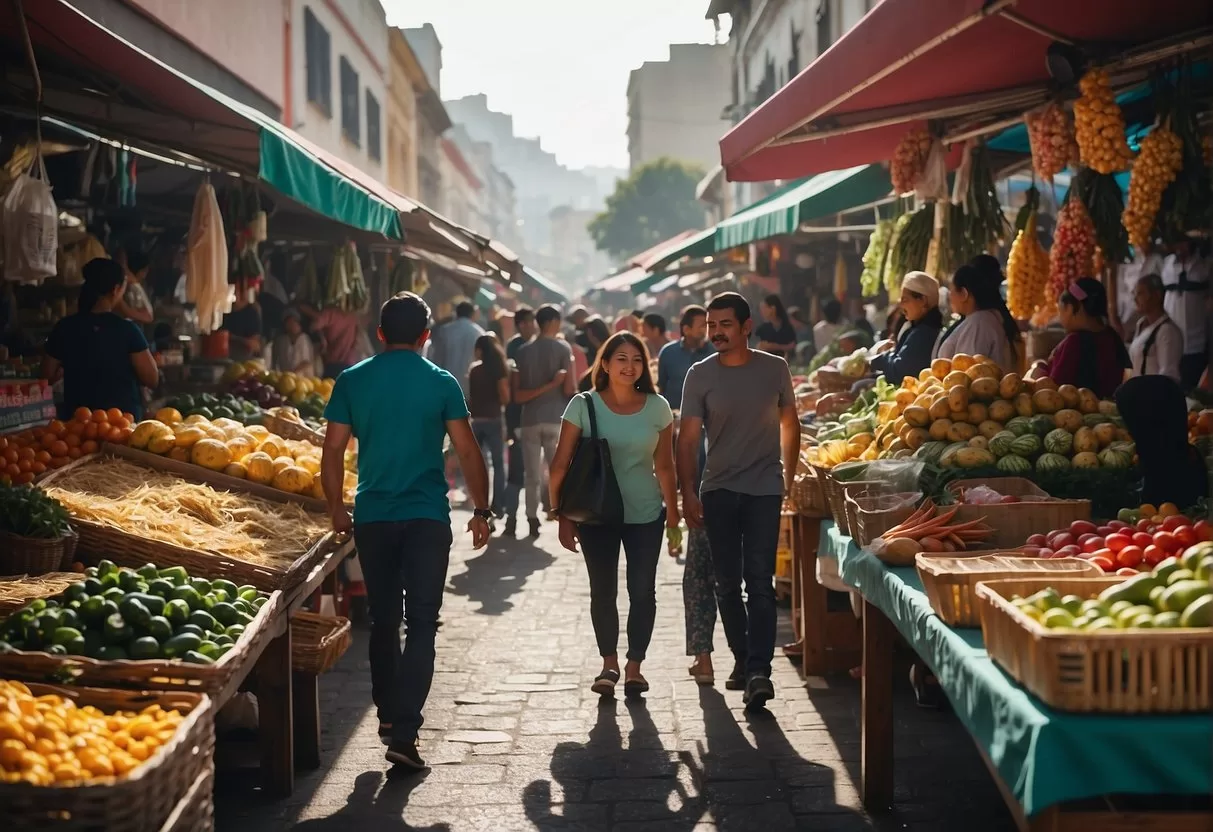
Markets are the center’s beating heart, and one building dominates them all. Mercado Libertad, better known as Mercado San Juan de Dios, takes up a full city block east of the cathedral and is routinely described as one of the largest indoor markets in the world. Most visitors spend a morning here without covering every aisle.
Mercado Libertad
The market’s lower level is where you should eat first. Food stalls crowd the aisles with birria, pozole, and jugos, and the handicrafts on the floors above reflect the local culture of the whole state: leather goods from the countryside, woven textiles, and the ceramic and glasswork that Jalisco is known for. It’s the easiest place in the city to try several corners of authentic Mexican cuisine and shop for gifts in the same afternoon. For an organized sense of what’s where, Tripadvisor’s overview of the market is a useful starting point.
Mercado San Juan de Dios
Climb to the upper galleries and the same building turns into a department store of curiosities: clothing, shoes, electronics, piñatas, and the religious figurines and Day of the Dead decorations that surprise first-time visitors. Haggling is part of the routine here, so shop around before you commit. To see how this market fits into the wider picture, 10 Best Markets in Guadalajara lists the other mercados worth your time across the city.
Dining and Cuisine in Guadalajara Centro
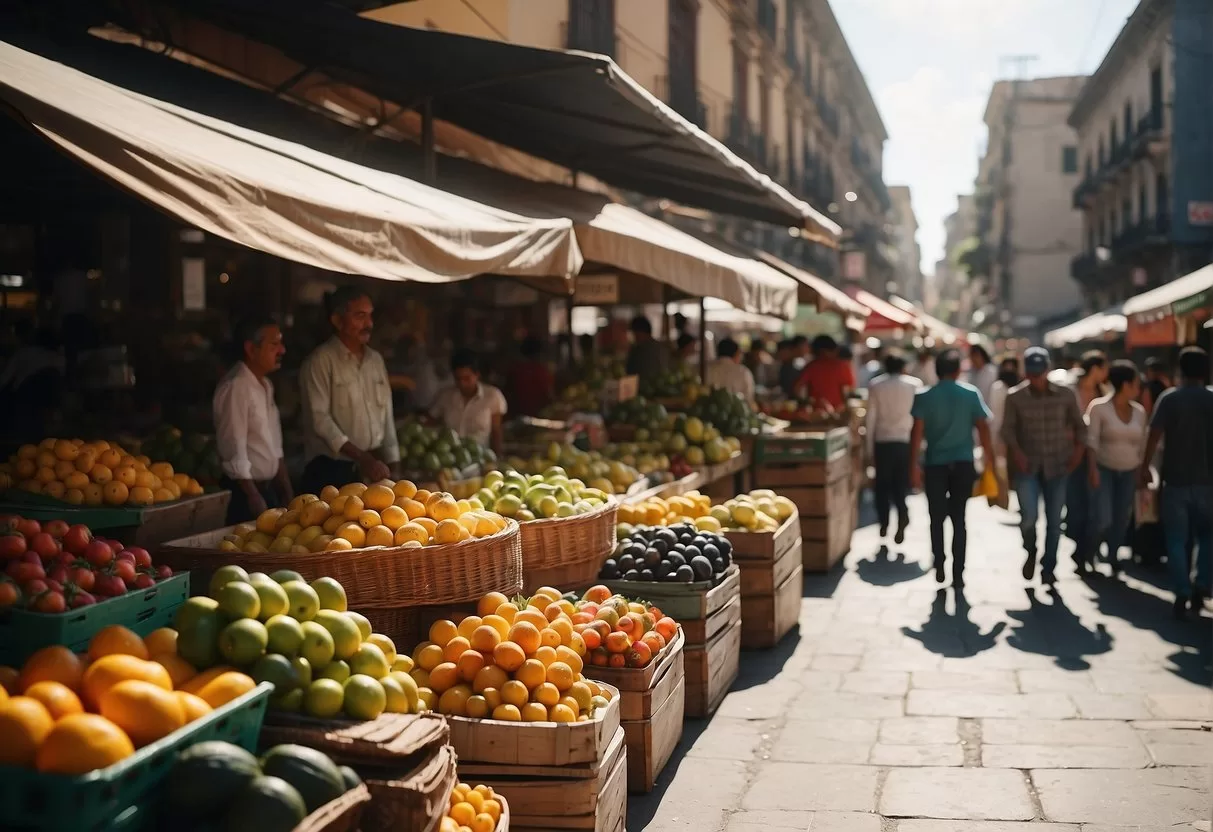
Food is the main reason many people come to Guadalajara, and Centro de Guadalajara covers the full range, from stand-up street counters to white-tablecloth rooms. The local cooking has its own vocabulary, and it’s worth learning before you order.
Traditional Dishes
Jalisco’s signature dish is birria, a slow-cooked stew traditionally made with goat, and the city’s most famous birrieria sits a few blocks from the cathedral: Birriería de Nueve Esquinas, named for the nine-cornered intersection it occupies. The consommé and the shredded meat, eaten with tortillas and salsa, is the version of the dish that Guadalajara grew up on. For a more refined take on regional cooking, El Sacromonte has earned a strong reputation among local diners.
Street Food Delights
The street food in the center runs deeper than tacos. Tortas ahogadas are the local icon: a crusty roll stuffed with pork, then drowned in a spicy tomato-chile sauce and topped with onion and lime. You eat them standing up, leaning over the counter, and they are messy by design. Also look for tortas de pierna and vampiros, a Jalisco-style tostada piled with meat and melted cheese, at the stands around the markets and plazas.
Fine Dining in Guadalajara Centro
The center also has its share of serious restaurants, several of them run by young chefs working with Jalisco’s ingredients and traditions in new ways. One that keeps coming up in local conversations is La Tequila, where the setting matches the kitchen’s ambition. If your trip budget allows one nicer meal in the center, book ahead.
Nightlife and Entertainment in Guadalajara Centro
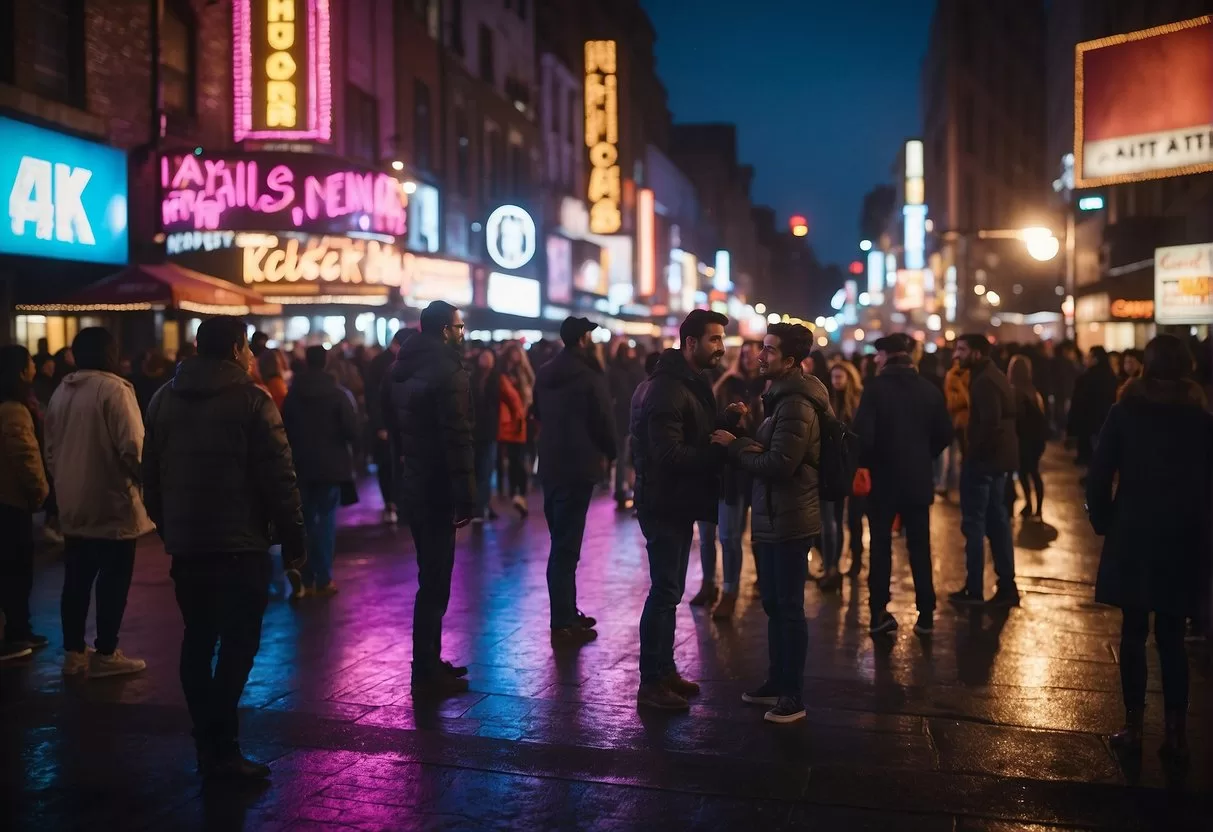
When the museums close, the center switches gears. The nightlife here is older and more varied than the club scene in the city’s modern districts, spread across historic cantinas, theater halls, and cafes that turn into music venues after dark.
Bars and Clubs in Guadalajara Centro
-
La Fuente: A cantina that has been pouring since 1921, making it one of the oldest bars in the city. The tile work, the long wooden bar, and the older local crowd give it the feel of a place where Guadalajara’s history was discussed over drinks.
-
Bar Americas: The opposite end of the spectrum, a long-running venue for electronic music that helped build Guadalajara’s club culture. Expect a mixed crowd and a dance floor that fills late.
Live Music Venues in Guadalajara Centro
-
Teatro Degollado: The grandest room in the center for a night out, hosting classical concerts, opera, and ballet in the same hall where Guadalajara’s orchestras have played for generations. Check the schedule; tickets to the cheaper seats sell fast.
-
Café Bretón: A small, old-school cafe across from the Degollado plaza that fills with live music in the evenings. Jazz and trova draw the crowd, and the coffee and the low cover charge make it an easy stop before or after a show.
Outdoor Activities and Parks near Guadalajara Centro
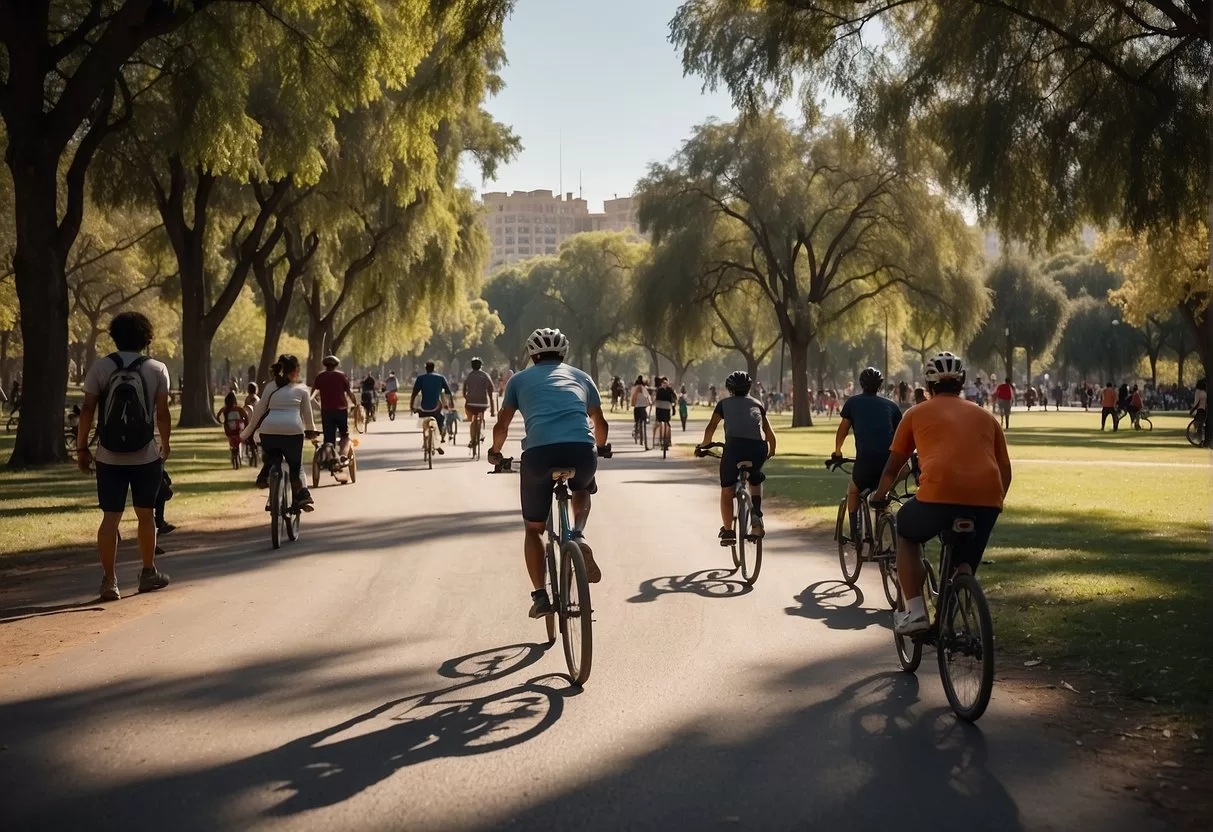
A few days of colonial plazas and museums can wear anyone down, and the center’s green spaces give you somewhere to reset. The biggest of them sits a short ride from the historic district, and it’s worth the trip out.
Parque Colomos
Parque Colomos is a 90-hectare city park on the northwestern side of Guadalajara, about fifteen minutes from the center by car or bus. The highlight for most visitors is the Japanese Garden, a quiet corner with a koi pond, stone lanterns, and a teahouse, which feels a world away from the downtown plazas. There are also shaded jogging trails, horse stables, and plenty of lawn for an afternoon picnic. Bring mosquito repellent in the rainy season and go on a weekday morning if you want the paths to yourself.